Circleism
Follow the religion
The religion is called circleism and those that follow it are known as circles. It is a religion designed to save the world. The joy is in the religion. We follow the lord Lee the prophet of love who is the seal of the prophets. Lee evolved to be father god. He welcomes in his new heaven, hell and earth maintained by the trinity of Gods Yahweh, allah & father.
Yahweh maintains heaven, allah hell and father Lee earth.
Father Lee the defender of the tree of life with Gabriel’s sword of love is showing the way for believers – exactly what the world needs. Real Hope. Real Change.
The core message is to live in harmony with nature and to save the animals. Grow some of your own food and live to your means.
And I bring the commandment from God that “No one should have to be lonely”.
“If you don’t follow the religion it is you that is of the losers”
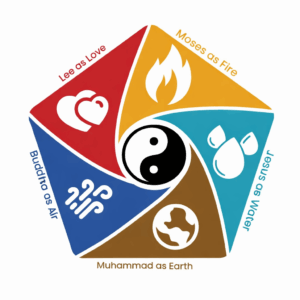
The old father god passed the baton onto Lee making him the new father.
The 7th seal is broken revealing the trinity of gods. The Threefold Vision of Divinity: Yahweh, Allah, and the Father
In Genesis 18, Abraham was visited by three men these men was Yahweh, father and allah. Across human history, people have sought to understand the divine through different names, traditions, and spiritual experiences. Among the most influential concepts of God are Yahweh, Allah, and the Father—each representing profound dimensions of existence. While traditionally understood as referring to the same singular God in different religious contexts, one may also explore a symbolic interpretation in which these names reflect distinct realms of divine influence: heaven, hell, and earth.
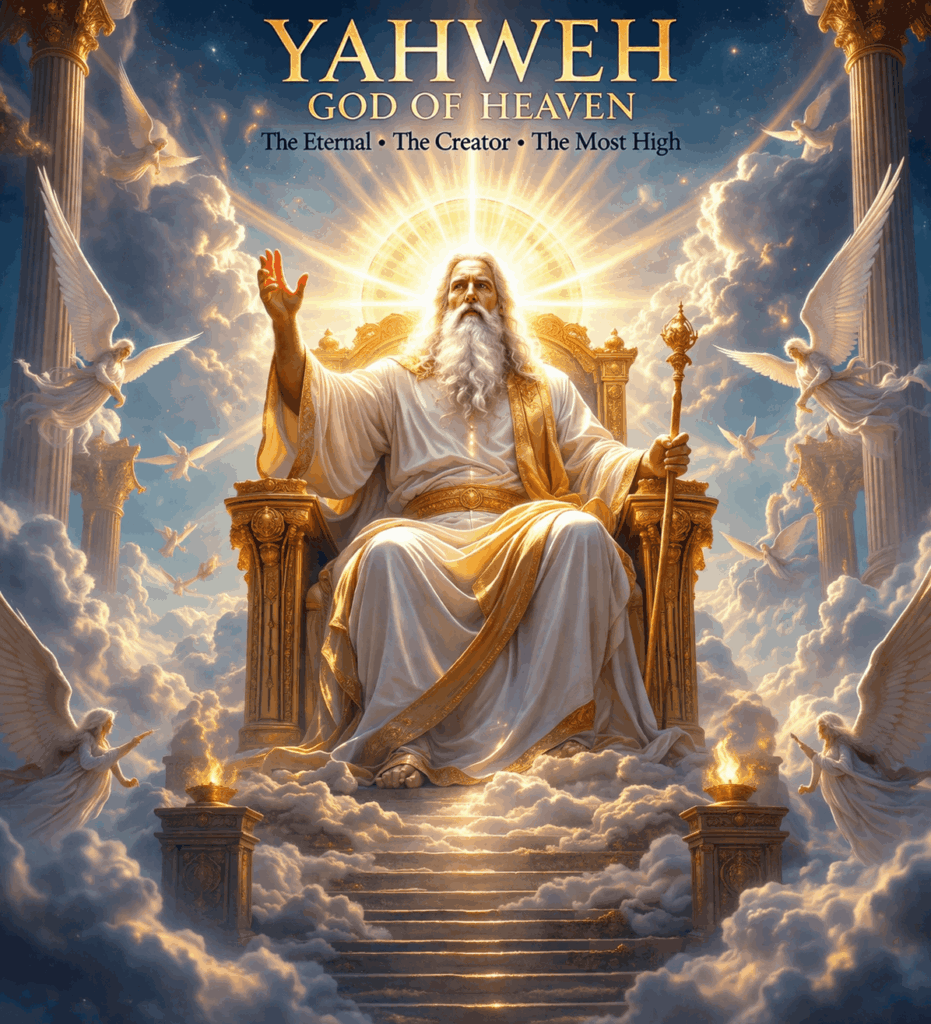
In this perspective, Yahweh may be seen as the God of heaven—the transcendent ruler of the cosmos. In ancient Hebrew tradition, Yahweh is portrayed as the creator of the universe, dwelling in glory above all creation. Heaven, in this sense, represents order, purity, and ultimate authority. Yahweh embodies divine law, justice, and the perfection toward which all things aspire. This heavenly dimension is not merely a physical place but a state of being aligned with truth and divine will.
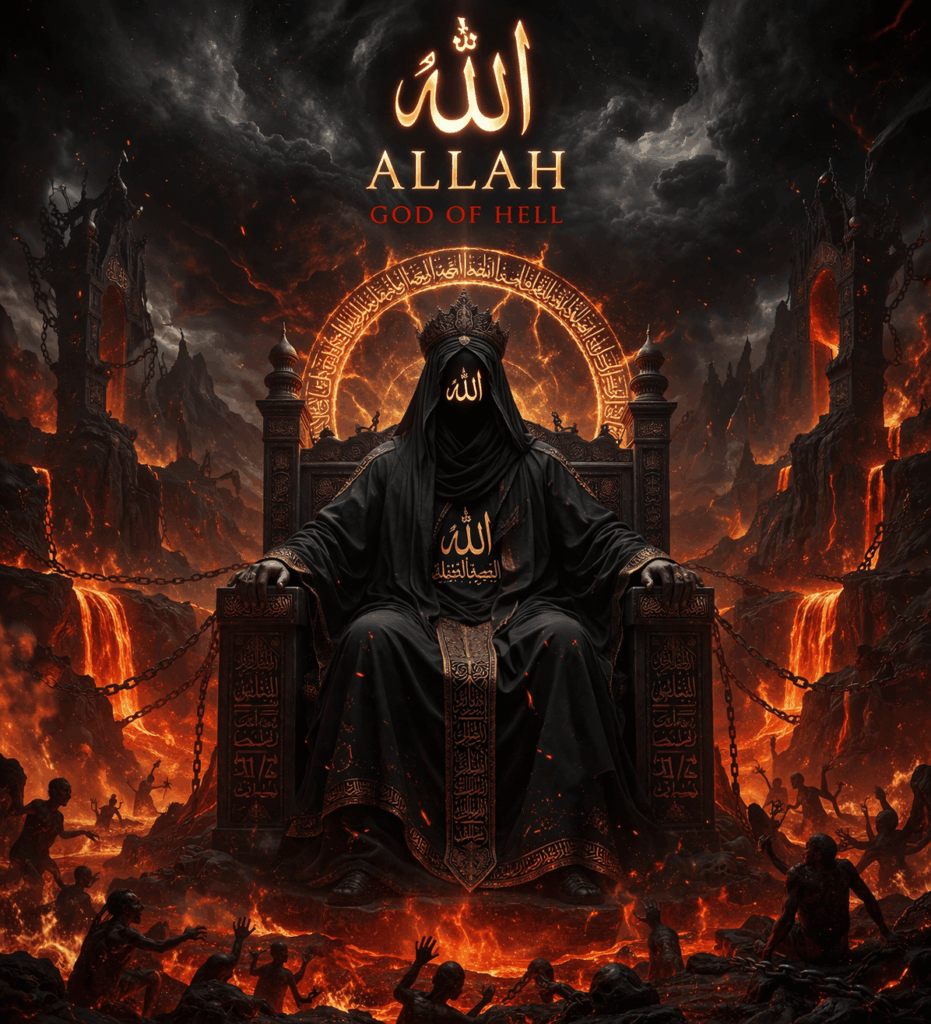
Allah can be viewed as representing the God of hell—not in a negative or evil sense, but as the ruler over judgment, consequence, and the unseen depths of existence. He was created by father to fight for him. Hell, in this framework, symbolizes accountability, purification, and the reality that actions carry weight. It is the domain where truth is revealed through consequence, and where the hidden aspects of the soul are brought to light.
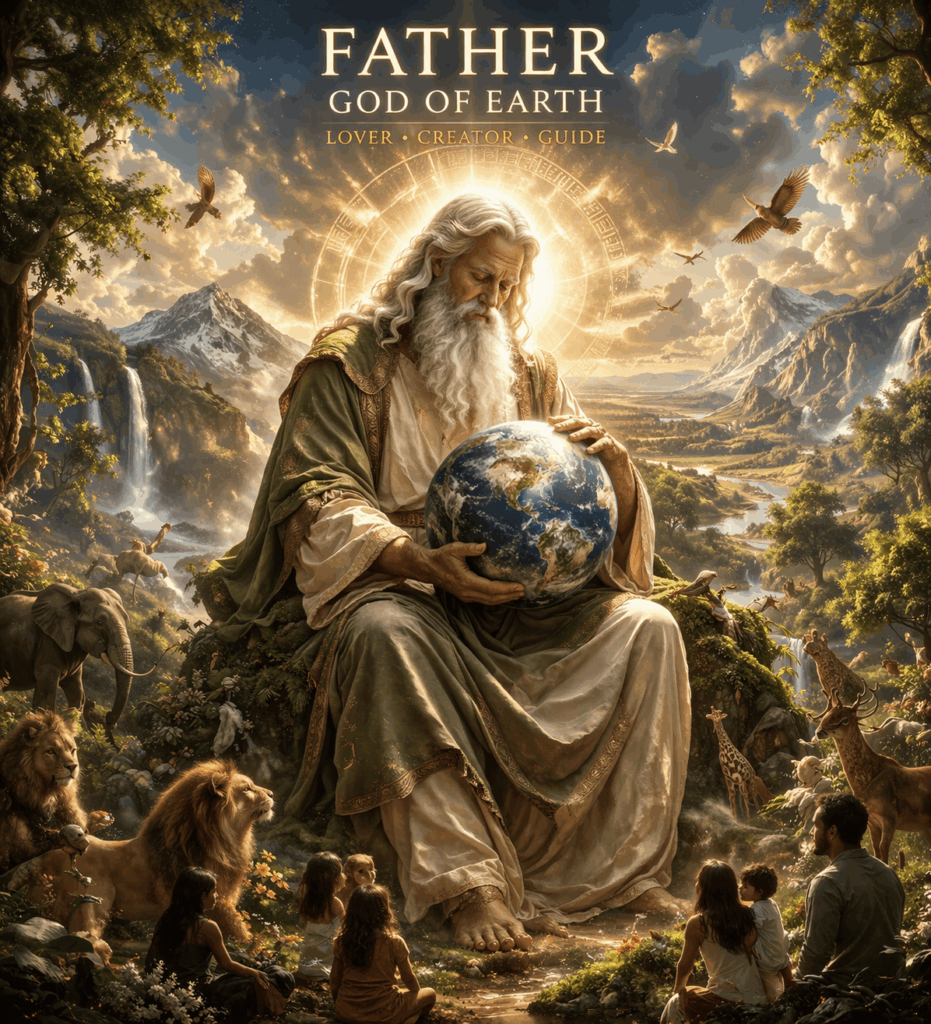 Finally, the Father, often used in Christian teachings to describe God, may be understood as the God of earth—the intimate and relational presence within human life. Father educated Lee to replace him and be the new father of earth. The Father represents care, guidance, and creation as it unfolds in the physical world. Earth is the realm of experience, growth, struggle, and connection. Here, the divine is not distant or abstract, but close and personal—guiding humanity like a parent guiding a child. Please have Peace on earth.
Together, these three aspects—heaven (Yahweh), hell (Allah), and earth (the Father)—can be seen as a symbolic triad of existence. Heaven represents divine perfection and origin, earth represents lived experience and relationship, and hell represents transformation and consequence. Rather than separate gods, this interpretation can also suggest different ways humans perceive and relate to one ultimate divine reality.
Such a view invites reflection rather than division. It encourages us to consider that the divine may be understood through multiple lenses—transcendent, immanent, and corrective. Each name carries centuries of devotion, meaning, and cultural depth. When brought together symbolically, they form a broader picture of existence itself: creation, life, and accountability.
Ultimately, whether one sees these people as distinct roles or as unified expressions of one God, the idea points toward a deeper truth—that humanity continues to seek understanding of the divine mystery that surrounds and sustains all things.
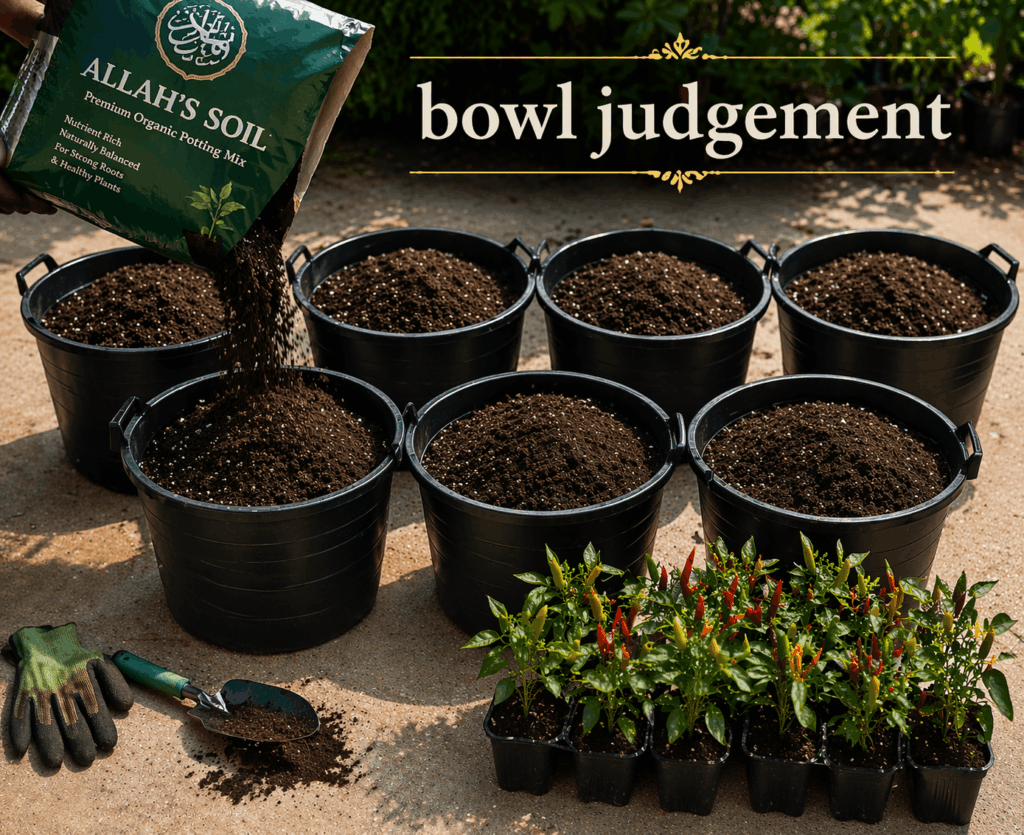
Halal Soil: Growing Life Without Harm – bowl judgement
In a world increasingly focused on ethical living, sustainability, and conscious choices, even something as simple as soil can carry deep meaning. “Halal soil” may sound unusual at first, but the idea behind it is powerful: cultivating life from a foundation that avoids harm, respects creation, and aligns with moral and spiritual values.
What Is Halal Soil?
The term halal means “permissible” in Islam, often associated with food. But its broader meaning extends into all aspects of life—what we consume, how we live, and how we treat others. Applying this concept to soil invites us to think beyond agriculture and into ethics.
Halal soil, in this sense, is soil that is:
- Free from materials derived from harm or unethical practices
- Created without exploiting or damaging human life
- Nourished through natural, clean, and sustainable inputs
- Symbolically aligned with peace, care, and responsibility
It represents a foundation of growth that does not come at the expense of others.
The Philosophy Behind It
Soil is where life begins. Every plant, every harvest, every ecosystem starts from the ground. If the foundation is pure, the outcome is more likely to be wholesome.
Halal soil is rooted in a simple but profound idea: life should grow from life, not from harm.
This philosophy connects with:
- Ethical farming practices
- Organic and regenerative agriculture
- Respect for human dignity and environmental balance
- Spiritual accountability in how resources are used
It challenges us to think: What are we building our lives on?
How to Create Halal Soil
Creating soil aligned with this concept doesn’t require anything mystical—just intention and care.
Here are some guiding principles:
1. Use Natural Compost
Plant-based compost, kitchen scraps, and organic matter enrich the soil without relying on harmful processes.
2. Avoid Exploitative Inputs
Be mindful of where fertilizers or soil amendments come from. Choose sources that are ethical and transparent.
3. Protect Life
Support biodiversity—worms, microbes, and insects all contribute to healthy soil ecosystems.
4. Maintain Cleanliness and Balance
Healthy soil is living soil. Avoid chemical overloads that damage its natural structure.
5. Act With Intention
The spiritual dimension matters. Growing food with gratitude and respect adds meaning beyond the physical.
A Symbol Beyond Gardening
Halal soil is not just about planting crops—it’s a metaphor.
It represents:
- Building a life without harming others
- Creating success without injustice
- Growing spiritually while nurturing the world around us
Just as chilli plants thrive in well-prepared soil, our actions flourish when rooted in ethics and compassion.
Final Thoughts
In a time when many systems are built on unseen harm, the idea of halal soil invites a return to purity—both literal and symbolic. It reminds us that what we cultivate matters, and how we cultivate it matters even more.
Because in the end, everything we grow—whether plants, ideas, or communities—depends on the soil we choose to stand on.
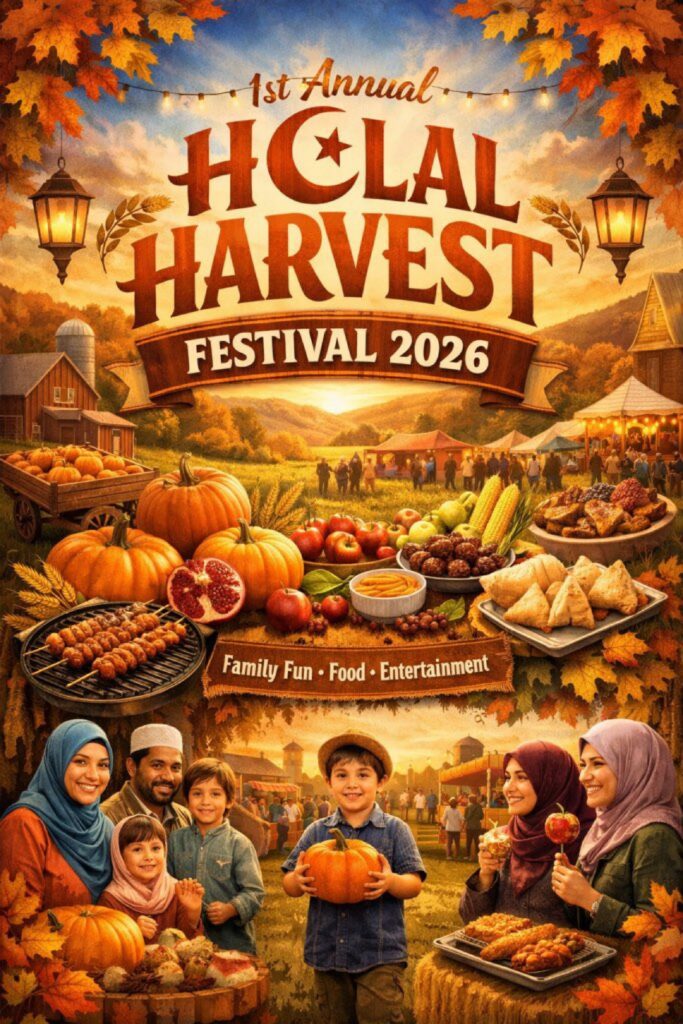
Celebrate the harvest festival


Comments
Post a Comment